GLM 5.3 API Guide: Pricing, Model ID, and Your First Request on SiliconFlow

目次

GLM 5.3 API Guide: Pricing, Model ID, and Your First Request

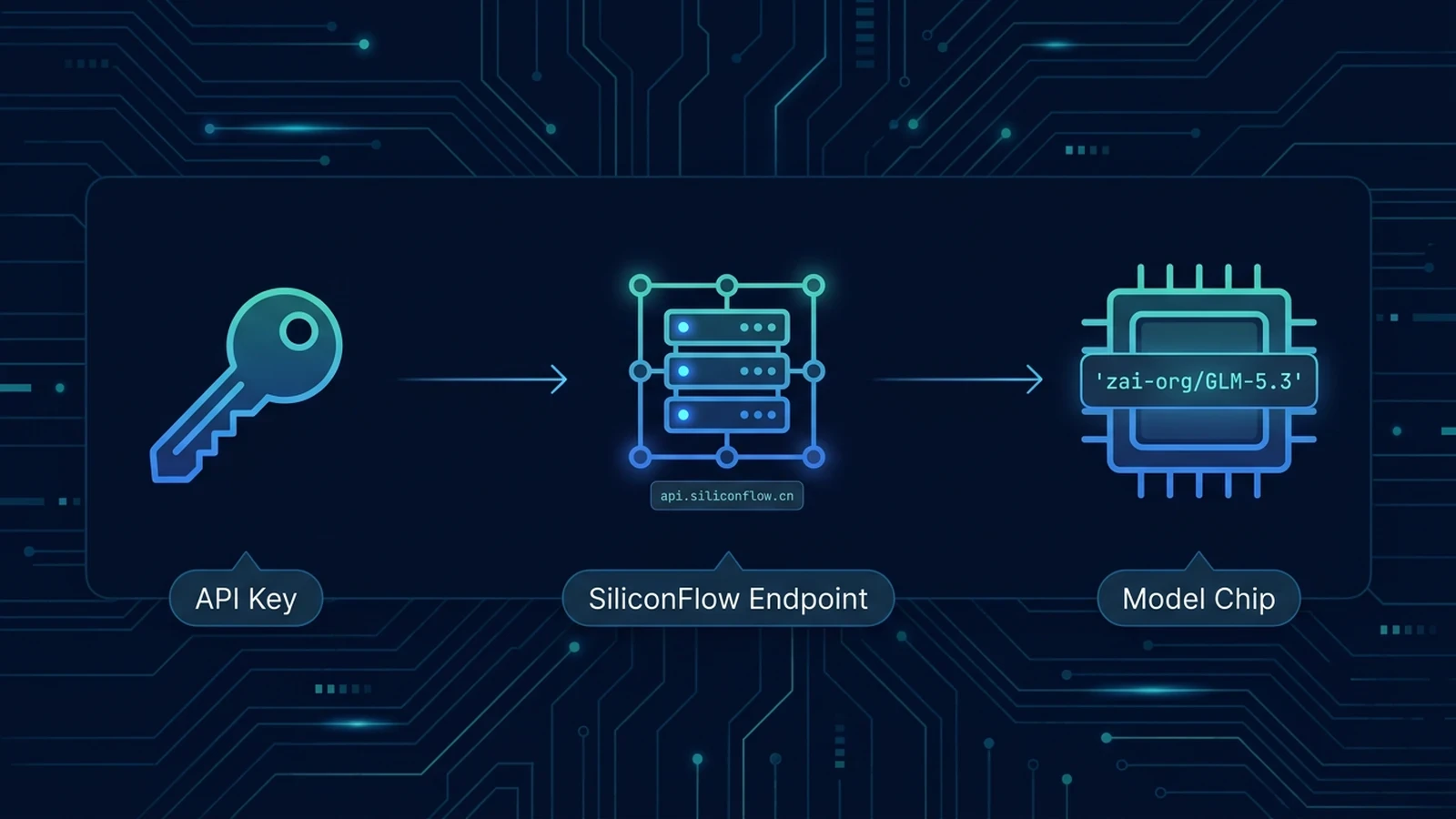
You can access GLM-5.3 on SiliconFlow through the OpenAI-compatible Chat Completions API. Use the model ID zai-org/GLM-5.3, send requests to https://api.siliconflow.com/v1/chat/completions, and authenticate with a SiliconFlow API key.

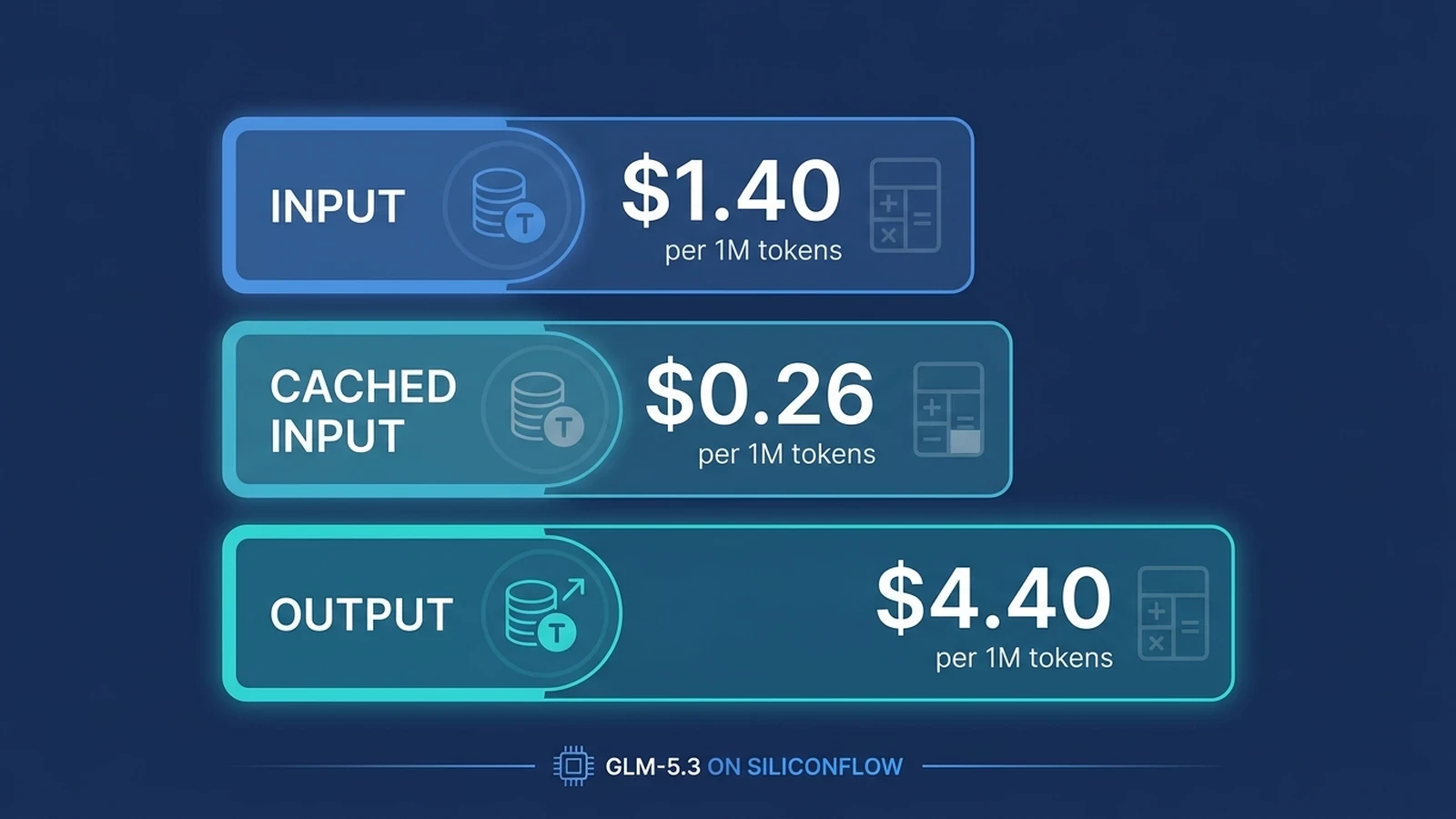
As of September 9, 2026, GLM-5.3 costs $1.40 per million input tokens, $0.26 per million cached input tokens, and $4.40 per million output tokens on SiliconFlow.

What You Need to Access the GLM 5.3 API

Prepare the following before sending your first request:

Item

Value or Requirement

SiliconFlow account

Required to create and manage API keys

API key

Generated from the SiliconFlow console

API endpoint

https://api.siliconflow.com/v1/chat/completions

GLM 5.3 API model ID

zai-org/GLM-5.3

SiliconFlow API setup for GLM-5.3 showing model ID, API endpoint, and key environment variable

Create a key from the SiliconFlow API Keys page. Copy it when it is generated and store it outside your source code. The examples below read the key from an environment variable named SILICONFLOW_API_KEY.

On macOS or Linux, set the variable with:

export SILICONFLOW_API_KEY="your_api_key"

In Windows PowerShell, use:

$env:SILICONFLOW_API_KEY="your_api_key"

Install the Python requests package if it is not already available:

The namespace is an important part of the model ID. Values such as glm-5.3, GLM-5.3, or zai/GLM-5.3 do not identify the SiliconFlow deployment. Copy zai-org/GLM-5.3 exactly from the GLM-5.3 model page.

Send Your First GLM 5.3 Request With Python

The following GLM 5.3 Python example sends a non-streaming Chat Completions request. It includes environment-variable validation, a client timeout, and basic HTTP error reporting.

import os
import requests
API_URL = "https://api.siliconflow.com/v1/chat/completions"
API_KEY = os.getenv("SILICONFLOW_API_KEY")
if not API_KEY:
    raise RuntimeError(
        "SILICONFLOW_API_KEY is not set. "
        "Add it to your environment before running this script."
    )
payload = {
    "model": "zai-org/GLM-5.3",
    "messages": [
        {
            "role": "system",
            "content": (
                "You are a senior Python developer. "
                "Give concise answers and verify code for obvious errors."
            ),
        },
        {
            "role": "user",
            "content": (
                "Write a Python function that groups a list of file paths "
                "by file extension. Include type hints and two tests."
            ),
        },
    ],
    "reasoning_effort": "high",
    "max_tokens": 2048,
    "stream": False,
}
headers = {
    "Authorization": f"Bearer {API_KEY}",
    "Content-Type": "application/json",
}
try:
    response = requests.post(
        API_URL,
        headers=headers,
        json=payload,
        timeout=120,
    )
    response.raise_for_status()
except requests.exceptions.HTTPError as exc:
    raise RuntimeError(
        f"SiliconFlow returned HTTP {response.status_code}: "
        f"{response.text}"
    ) from exc
except requests.exceptions.RequestException as exc:
    raise RuntimeError(f"Request failed: {exc}") from exc result = response.json()
message = result["choices"][0]["message"]
print(message["content"])
print("Usage:", result.get("usage", {}))
import os
import requests
API_URL = "https://api.siliconflow.com/v1/chat/completions"
API_KEY = os.getenv("SILICONFLOW_API_KEY")
if not API_KEY:
    raise RuntimeError(
        "SILICONFLOW_API_KEY is not set. "
        "Add it to your environment before running this script."
    )
payload = {
    "model": "zai-org/GLM-5.3",
    "messages": [
        {
            "role": "system",
            "content": (
                "You are a senior Python developer. "
                "Give concise answers and verify code for obvious errors."
            ),
        },
        {
            "role": "user",
            "content": (
                "Write a Python function that groups a list of file paths "
                "by file extension. Include type hints and two tests."
            ),
        },
    ],
    "reasoning_effort": "high",
    "max_tokens": 2048,
    "stream": False,
}
headers = {
    "Authorization": f"Bearer {API_KEY}",
    "Content-Type": "application/json",
}
try:
    response = requests.post(
        API_URL,
        headers=headers,
        json=payload,
        timeout=120,
    )
    response.raise_for_status()
except requests.exceptions.HTTPError as exc:
    raise RuntimeError(
        f"SiliconFlow returned HTTP {response.status_code}: "
        f"{response.text}"
    ) from exc
except requests.exceptions.RequestException as exc:
    raise RuntimeError(f"Request failed: {exc}") from exc result = response.json()
message = result["choices"][0]["message"]
print(message["content"])
print("Usage:", result.get("usage", {}))
import os
import requests
API_URL = "https://api.siliconflow.com/v1/chat/completions"
API_KEY = os.getenv("SILICONFLOW_API_KEY")
if not API_KEY:
    raise RuntimeError(
        "SILICONFLOW_API_KEY is not set. "
        "Add it to your environment before running this script."
    )
payload = {
    "model": "zai-org/GLM-5.3",
    "messages": [
        {
            "role": "system",
            "content": (
                "You are a senior Python developer. "
                "Give concise answers and verify code for obvious errors."
            ),
        },
        {
            "role": "user",
            "content": (
                "Write a Python function that groups a list of file paths "
                "by file extension. Include type hints and two tests."
            ),
        },
    ],
    "reasoning_effort": "high",
    "max_tokens": 2048,
    "stream": False,
}
headers = {
    "Authorization": f"Bearer {API_KEY}",
    "Content-Type": "application/json",
}
try:
    response = requests.post(
        API_URL,
        headers=headers,
        json=payload,
        timeout=120,
    )
    response.raise_for_status()
except requests.exceptions.HTTPError as exc:
    raise RuntimeError(
        f"SiliconFlow returned HTTP {response.status_code}: "
        f"{response.text}"
    ) from exc
except requests.exceptions.RequestException as exc:
    raise RuntimeError(f"Request failed: {exc}") from exc result = response.json()
message = result["choices"][0]["message"]
print(message["content"])
print("Usage:", result.get("usage", {}))

GLM-5.3 uses always-on reasoning, with three settings for controlling reasoning effort:

Value

Practical Starting Point

low

Routine transformations and straightforward code tasks

high

Debugging, code generation, and moderately complex reasoning

max

Cross-file analysis, architecture work, and long-running agent tasks

high is a practical starting point when testing the API. Move to max when representative tasks show that the additional reasoning improves the result enough to justify potentially longer responses and higher total token use.

The max_tokens field limits how many tokens the model may generate. It does not reserve or charge for that number in advance. Billing is based on the tokens processed and generated.

GLM-5.3 first Python request on SiliconFlow with model ID, reasoning effort, and max_tokens settings

Read the Response and Enable Streaming

A successful non-streaming response follows the Chat Completions structure in the SiliconFlow API reference. The fields most applications need are:

result["choices"][0]["message"]["content"]
result["choices"][0]["message"].get("reasoning_content")
result["choices"][0]["finish_reason"]
result["usage"]["prompt_tokens"]
result["usage"]["completion_tokens"]
result["usage"]["total_tokens"]
result["choices"][0]["message"]["content"]
result["choices"][0]["message"].get("reasoning_content")
result["choices"][0]["finish_reason"]
result["usage"]["prompt_tokens"]
result["usage"]["completion_tokens"]
result["usage"]["total_tokens"]
result["choices"][0]["message"]["content"]
result["choices"][0]["message"].get("reasoning_content")
result["choices"][0]["finish_reason"]
result["usage"]["prompt_tokens"]
result["usage"]["completion_tokens"]
result["usage"]["total_tokens"]

content contains the final answer intended for the user. Reasoning-model responses can also include reasoning_content as a separate field. Applications should normally display or store the final content rather than combine both fields in the user-facing answer.

Check finish_reason before treating a response as complete. Record the usage object during prompt testing as well, because output length can have a significant effect on the total request cost.

For interactive chat, coding assistants, and longer responses, set stream to True. SiliconFlow returns Server-Sent Events and ends the stream with data: [DONE].

import json
import os
import requests
API_URL = "https://api.siliconflow.com/v1/chat/completions"
API_KEY = os.getenv("SILICONFLOW_API_KEY")
if not API_KEY:
    raise RuntimeError("SILICONFLOW_API_KEY is not set.")
payload = {
    "model": "zai-org/GLM-5.3",
    "messages": [
        {
            "role": "user",
            "content": (
                "Explain how to add retry logic to a Python API client. "
                "Include a short example."
            ),
        }
    ],
    "reasoning_effort": "high",
    "max_tokens": 2048,
    "stream": True,
}
headers = {
    "Authorization": f"Bearer {API_KEY}",
    "Content-Type": "application/json",
}
with requests.post(
    API_URL,
    headers=headers,
    json=payload,
    stream=True,
    timeout=120,
) as response:
    response.raise_for_status()
    for line in response.iter_lines(decode_unicode=True):
        if not line or not line.startswith("data:"):
            continue
        data = line[len("data:"):].strip()
        if data == "[DONE]":
            break
        event = json.loads(data)
        choices = event.get("choices", [])
        if not choices:
            continue
        delta = choices[0].get("delta", {})
        content = delta.get("content")
        if content:
            print(content, end="", flush=True)
print()
import json
import os
import requests
API_URL = "https://api.siliconflow.com/v1/chat/completions"
API_KEY = os.getenv("SILICONFLOW_API_KEY")
if not API_KEY:
    raise RuntimeError("SILICONFLOW_API_KEY is not set.")
payload = {
    "model": "zai-org/GLM-5.3",
    "messages": [
        {
            "role": "user",
            "content": (
                "Explain how to add retry logic to a Python API client. "
                "Include a short example."
            ),
        }
    ],
    "reasoning_effort": "high",
    "max_tokens": 2048,
    "stream": True,
}
headers = {
    "Authorization": f"Bearer {API_KEY}",
    "Content-Type": "application/json",
}
with requests.post(
    API_URL,
    headers=headers,
    json=payload,
    stream=True,
    timeout=120,
) as response:
    response.raise_for_status()
    for line in response.iter_lines(decode_unicode=True):
        if not line or not line.startswith("data:"):
            continue
        data = line[len("data:"):].strip()
        if data == "[DONE]":
            break
        event = json.loads(data)
        choices = event.get("choices", [])
        if not choices:
            continue
        delta = choices[0].get("delta", {})
        content = delta.get("content")
        if content:
            print(content, end="", flush=True)
print()
import json
import os
import requests
API_URL = "https://api.siliconflow.com/v1/chat/completions"
API_KEY = os.getenv("SILICONFLOW_API_KEY")
if not API_KEY:
    raise RuntimeError("SILICONFLOW_API_KEY is not set.")
payload = {
    "model": "zai-org/GLM-5.3",
    "messages": [
        {
            "role": "user",
            "content": (
                "Explain how to add retry logic to a Python API client. "
                "Include a short example."
            ),
        }
    ],
    "reasoning_effort": "high",
    "max_tokens": 2048,
    "stream": True,
}
headers = {
    "Authorization": f"Bearer {API_KEY}",
    "Content-Type": "application/json",
}
with requests.post(
    API_URL,
    headers=headers,
    json=payload,
    stream=True,
    timeout=120,
) as response:
    response.raise_for_status()
    for line in response.iter_lines(decode_unicode=True):
        if not line or not line.startswith("data:"):
            continue
        data = line[len("data:"):].strip()
        if data == "[DONE]":
            break
        event = json.loads(data)
        choices = event.get("choices", [])
        if not choices:
            continue
        delta = choices[0].get("delta", {})
        content = delta.get("content")
        if content:
            print(content, end="", flush=True)
print()

This parser ignores empty events and events that do not contain a content token. A production client should also catch connection interruptions and determine whether retrying the request could repeat work that the model has already completed.
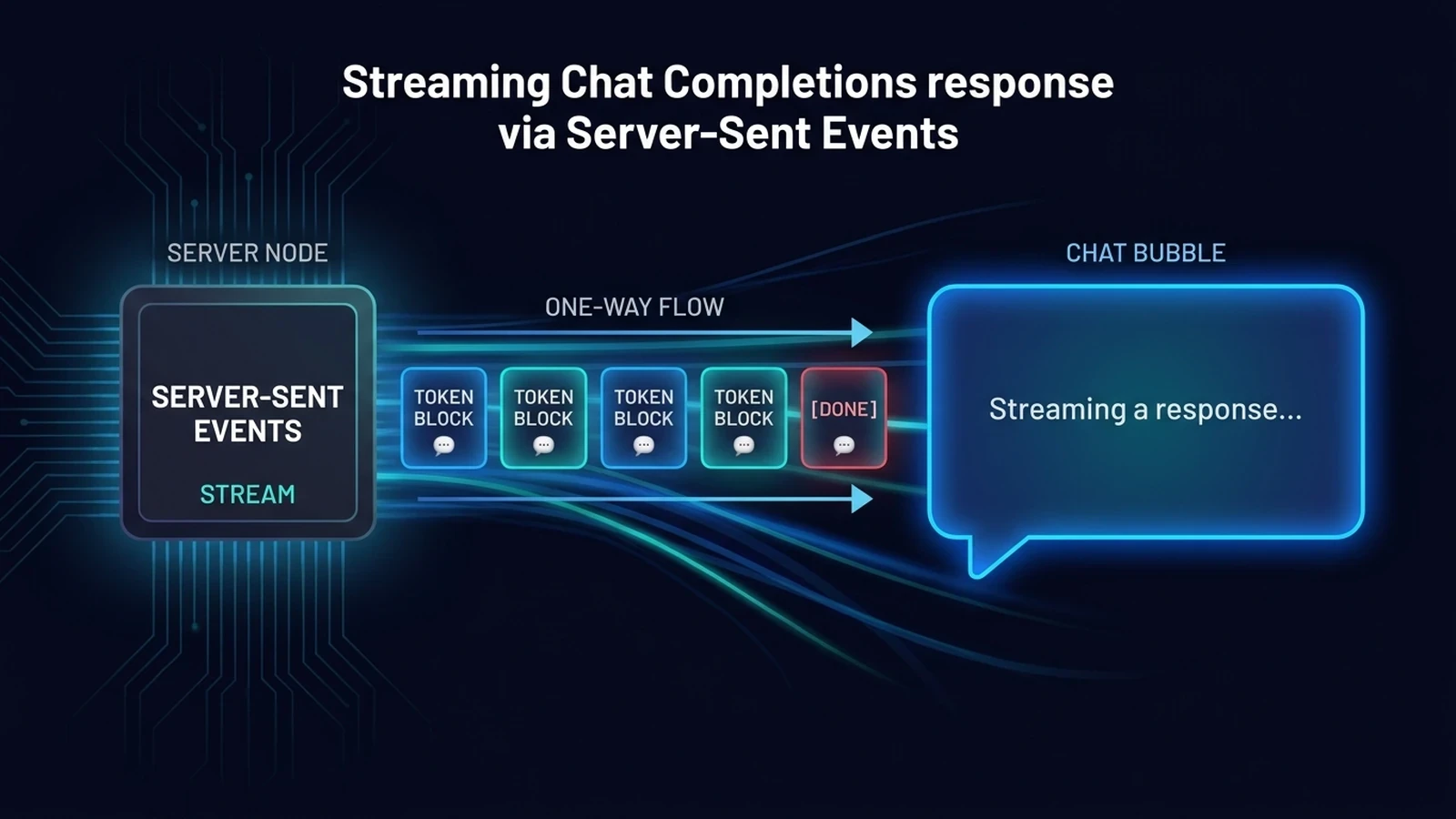
GLM-5.3 streaming response on SiliconFlow showing Server-Sent Events parsed into content tokens

GLM 5.3 API Pricing and Cost Examples

Current SiliconFlow pricing uses separate rates for uncached input, cached input, and output:

Usage Type

Price per Million Tokens

Input

$1.40

Cached input

$0.26

Output

$4.40

GLM-5.3 API cost on SiliconFlow split by input, cached input, and output token pricing

These prices apply to the SiliconFlow zai-org/GLM-5.3 deployment as of September 9, 2026. Prices from the Z.AI direct API or another inference provider should not be used to estimate the cost of requests sent through SiliconFlow.

Calculate the estimated cost with:

Estimated cost (USD) = (uncached input tokens / 1,000,000 * 1.40) + (cached input tokens / 1,000,000 * 0.26) + (output tokens / 1,000,000 * 4.40) Divide the number of tokens in each category by one million, multiply each result by its applicable price, and then add the three amounts.

The following examples are hypothetical:

Workload

Token Usage

Estimated Cost

1,000 short requests

1M input + 200K output

$1.40 + $0.88 = $2.28

100 code-analysis requests

5M input + 500K output

$7.00 + $2.20 = $9.20

1,000 requests with repeated context

2M uncached input + 8M cached input + 2M output

$2.80 + $2.08 + $8.80 = $13.68

The third example assumes that 8 million input tokens qualify for cached-input pricing. Treat it as an estimate because the actual billed cost depends on the token categories applied to each request.

Output control deserves particular attention with GLM-5.3. At the current standard rates, reducing one million input tokens saves $1.40, while reducing one million output tokens saves $4.40. Set a realistic max_tokens value and give the model a clear output format instead of allowing every request to produce an unnecessarily long response.

Cost per request is also different from cost per successful task. When evaluating GLM-5.3 for coding or agent workflows, track retries, failed outputs, human correction time, and token use alongside the listed API price.

Fix Authentication, Model ID, and Request Errors

Start troubleshooting with the HTTP status, response body, endpoint, and exact model ID. Authentication and request-format problems require a correction rather than another identical request.

Error or Symptom

Likely Cause

What to Check

Local SILICONFLOW_API_KEY is not set error

Environment variable is missing

Set the variable in the same shell that runs the script

HTTP 401 or Invalid token

Missing, invalid, or malformed API key

Confirm the key and the Authorization: Bearer format

HTTP 400 with an API error object

Invalid request body, model, or parameter

Start with model and messages, then add optional fields one at a time

Model-not-found or unsupported-model message

Incorrect model ID

Use zai-org/GLM-5.3 with matching capitalization and punctuation

HTTP 404

Incorrect URL or path

Use https://api.siliconflow.com/v1/chat/completions

HTTP 429

Account-level token or request limit reached

Reduce concurrency, apply bounded backoff, and review the account limit

HTTP 503 with code 50505

Model service is temporarily overloaded

Retry with exponential backoff and random jitter

HTTP 504 or client timeout

Request took too long

Retry cautiously, reduce the prompt or output size, or increase the client timeout

For a 429, 503, or 504 response, use a limited retry policy, such as three attempts with increasing delays. Add random jitter when multiple workers may retry together. Do not automatically retry 400 or 401 responses without first correcting the request or credentials.

If a request works without reasoning_effort but fails after that field is added, verify the model ID and parameter value. GLM-5.3 supports low, high, and max; parameters copied from another model or provider may not be accepted by the SiliconFlow deployment.

A useful validation sequence is to test the prompt through the GLM-5.3 model page and then send a minimal API request containing only model and messages. Once that works, add reasoning controls, output limits, streaming, and tools individually.

Common Questions About the GLM 5.3 API

Q1. Can I Use the OpenAI Python SDK With the GLM 5.3 API?

Yes. Set the SDK base URL to https://api.siliconflow.com/v1, provide your SiliconFlow API key, and use zai-org/GLM-5.3 as the model. Verify that any optional parameters are supported before copying them from another provider.

Q2. Can GLM-5.3 Accept Images Through SiliconFlow?

No. The SiliconFlow deployment of GLM-5.3 accepts text input and returns text output. Choose a model with documented image-input support when your application needs to analyze screenshots, diagrams, photographs, or other visual content.

Q3. Does GLM-5.3 Support Tool Calling on SiliconFlow?

Yes. The SiliconFlow deployment supports function tools through the Chat Completions API. Define the available functions in the tools array and handle returned tool_calls in your application before sending the tool result back to the model.

Q4. Are GLM-5.3 and GLM-5.3-Flash the Same API Model?

No. They are separate SiliconFlow deployments with different model IDs, capabilities, and prices. Use zai-org/GLM-5.3 for the model covered here and verify the GLM-5.3-Flash model page before switching an application to that variant.

AI開発を 加速する準備はできていますか?

AI開発を 加速する準備はできていますか?

AI開発を 加速する準備はできていますか?