Содержание
A SillyTavern cheap API should do more than reduce the price of one reply. Long character chats can grow quickly as the prompt carries character cards, chat history, worldbuilding details, personas, and new outputs. DeepSeek-V4-Flash and GLM-5.2 give developers two different paths: one optimized for low-cost long sessions, and one designed for more demanding long-context tasks and worth testing for complex roleplay setups.
Why Long SillyTavern Sessions Become Expensive
SillyTavern cost grows because each reply can send more than the latest user message. A request may include the character card, personality notes, scenario, example dialogue, user persona, chat history, lorebook entries, and formatting instructions.
As the session gets longer, more history may be included to preserve continuity. A short visible message can still become a large API prompt. Longer character replies, regenerations, retries, and correction prompts also add tokens.
That is why a SillyTavern cheap API should be judged by full-session cost, not one-message cost. A 20-reply test chat and a 200-reply roleplay session can have very different spending patterns.
How Context Growth Affects Token Usage
Context is the text the model can use during a generation. In SillyTavern, context can come from several places.
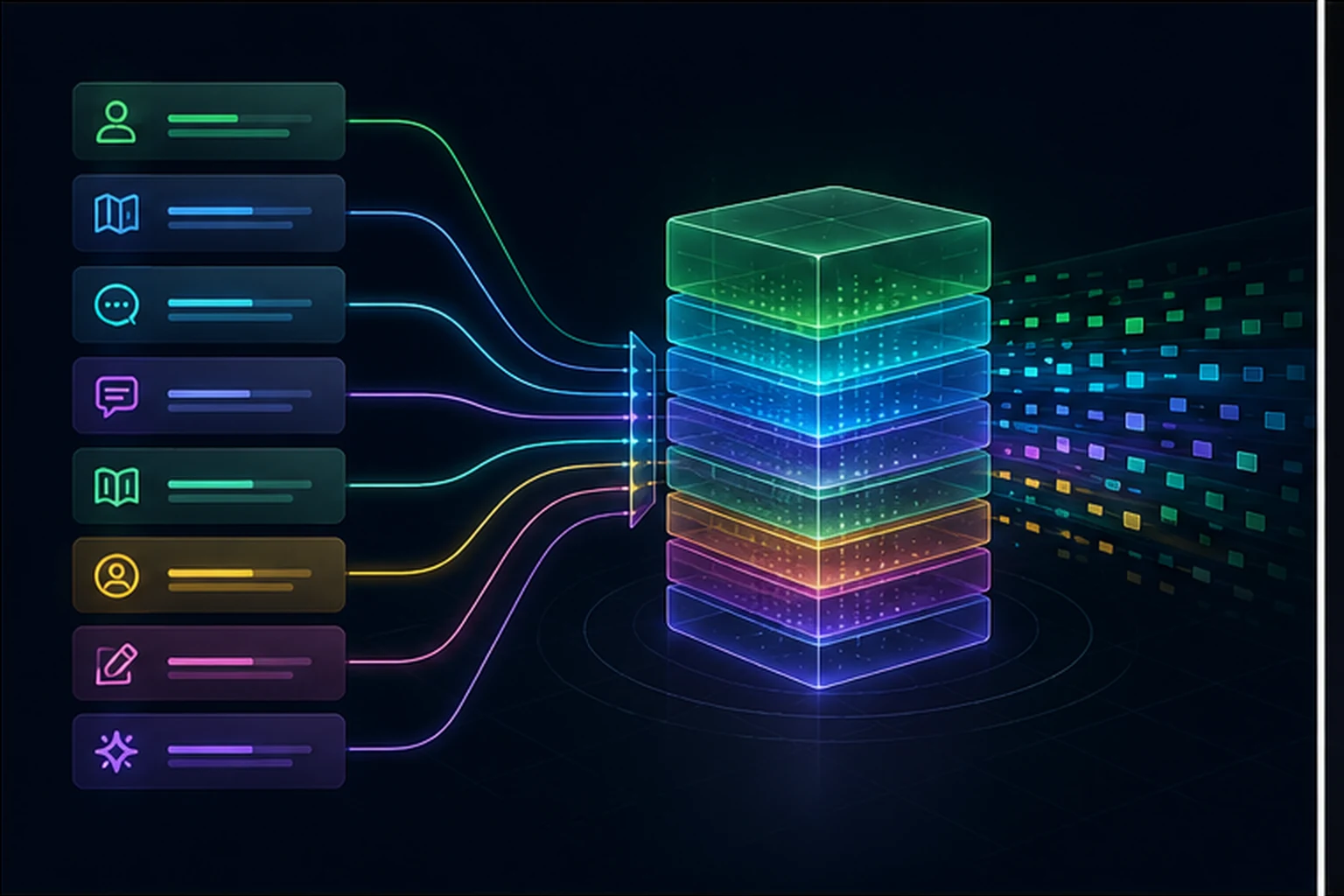
Context Element | How It Affects Cost |
|---|---|
Character card | Sets behavior, voice, background, and role |
Scenario | Adds setting and situation details |
Example dialogue | Helps shape style but increases prompt size |
Chat history | Grows as the conversation continues |
World Info or lorebook | Adds background when triggered |
User persona | Adds user identity or role details |
Author’s note | Adds persistent direction or tone control |
Model output | Adds generated tokens charged separately |
A larger context window gives the model more room, but it does not mean every request uses the full context length. A 1049K context model charges only for the tokens actually processed and generated.
For SillyTavern, long-context models can support longer memory, richer lore, and more stable continuity. Cost still rises when the prompt carries too much repeated information. Shorter character cards, focused lorebook entries, reasonable history depth, and controlled output length all help reduce long-session spending.
What Makes an API Cheap for Long Roleplay?
A SillyTavern cheap API should be judged by full-session value, not token price alone. Focus on these five factors:
1. Input price: Long roleplay sessions often resend large prompts. If each request includes 20K, 50K, or 100K input tokens, input pricing becomes a major cost driver.
2. Output price: Character chat often produces longer replies than ordinary assistant chat. When each reply reaches hundreds or thousands of tokens, output pricing matters quickly.
3. Cached-input price: Stable prompt sections, such as character settings, system instructions, and repeated context blocks, may cost less when cache behavior applies.
4. Context length: A low-cost model with a short context window may force users to trim history too aggressively, which can weaken continuity and increase manual summaries.
5. Response quality: Cheap tokens are less useful if the user must regenerate often. More retries mean more input and output tokens.
The right model balances price, context capacity, output quality, and regeneration rate for the actual session type.
How to Use SiliconFlow API With SillyTavern
SillyTavern can connect to model APIs through Chat Completion settings. With SiliconFlow, developers can use one API workflow to test long-context models such as DeepSeek-V4-Flash and GLM-5.2.
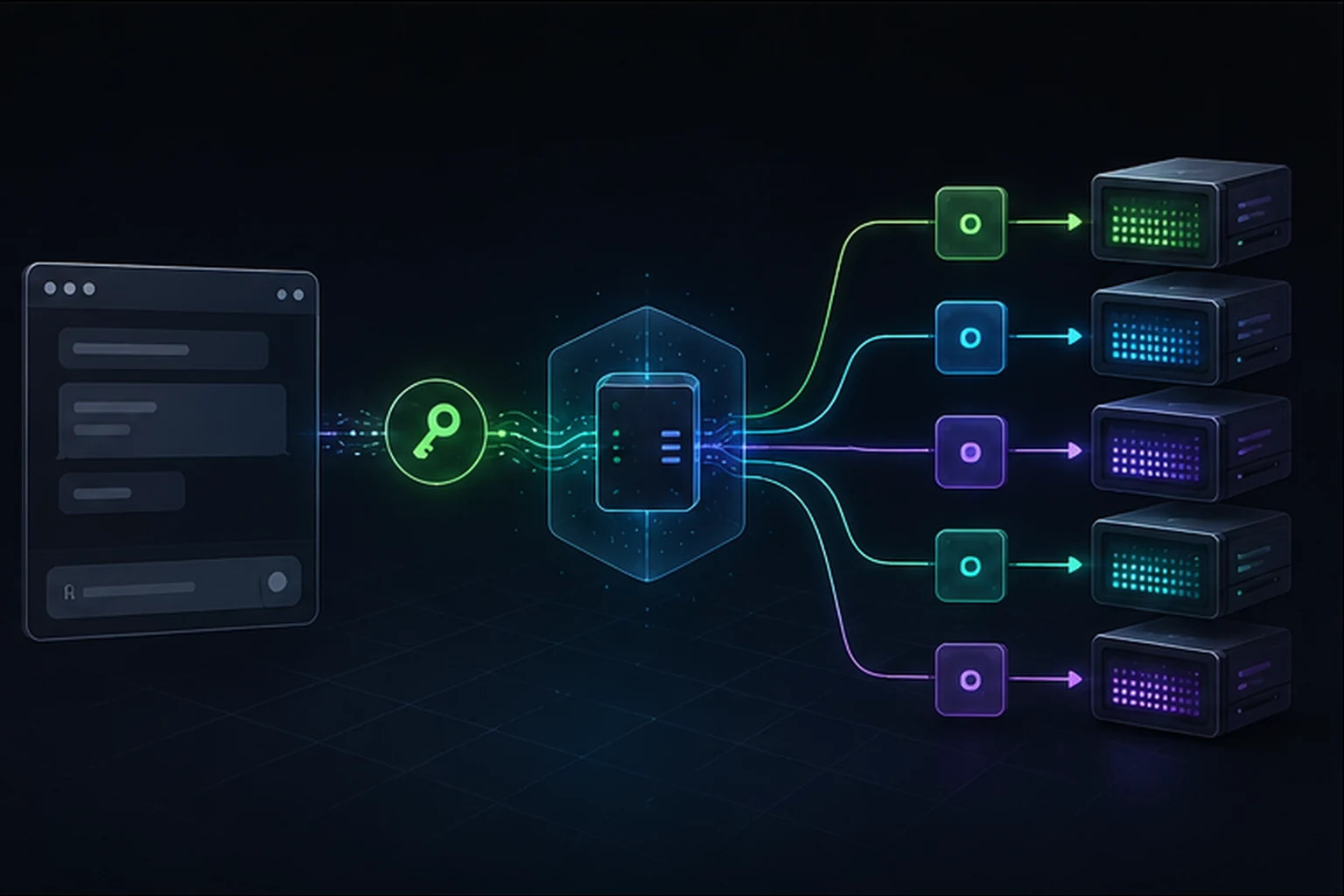
Basic setup:
1. Create a SiliconFlow API key.
2. Open SillyTavern and go to API connection settings.
3. Select the Chat Completion API type.
4. Choose SiliconFlow as the provider, or use the OpenAI-compatible endpoint option when needed.
5. Enter the API key and model ID.
6. Test the connection before starting a long session.
For cost testing, start with a short character chat instead of a huge lorebook or full-history roleplay. Test the same character card first, then compare response quality, latency, output length, and regeneration frequency. After that, increase the context length gradually to see how the API performs during real SillyTavern use.
DeepSeek-V4-Flash as a Low-Cost Option
DeepSeek-V4-Flash is a strong starting point when cost control is the priority. It supports 1049K context on SiliconFlow, giving SillyTavern users enough room for long conversations, character settings, and lore-heavy prompts.
Its pricing profile makes it especially practical for frequent roleplay sessions. DeepSeek-V4-Flash is priced at $0.13 per 1M input tokens, $0.028 per 1M cached-input tokens, and $0.28 per 1M output tokens. This helps control both sides of the cost equation: the repeated prompt and the generated reply.
DeepSeek-V4-Flash is a strong fit for:
Use Case | Why It Fits |
|---|---|
Daily character chat | Low input and output pricing supports frequent use |
Long casual roleplay | 1049K context gives more room for continuity |
Character-card testing | Lower cost makes iteration easier |
Lore-heavy sessions | Large context supports more background material |
Budget-sensitive users | Better fit when cost per session matters most |
For many users searching for a SillyTavern cheap API, DeepSeek-V4-Flash should be the first model to test. It gives developers a low-cost way to run long conversations without immediately sacrificing context capacity.
That does not mean every scene should use the same model. Some roleplay sessions need stronger long-horizon coherence, more complex instruction following, or richer handling of multiple characters. In those cases, a quality-focused long-context model may be worth testing.
GLM-5.2 for Complex Long-Context Sessions
GLM-5.2 is designed for long-horizon tasks and supports a 1049K context length on SiliconFlow. Its official release notes emphasize stable use of large contexts, reduced context drift, and more reliable execution across extended tasks. These capabilities can be relevant to SillyTavern sessions that carry long histories, detailed character instructions, multiple roles, or complex world information.
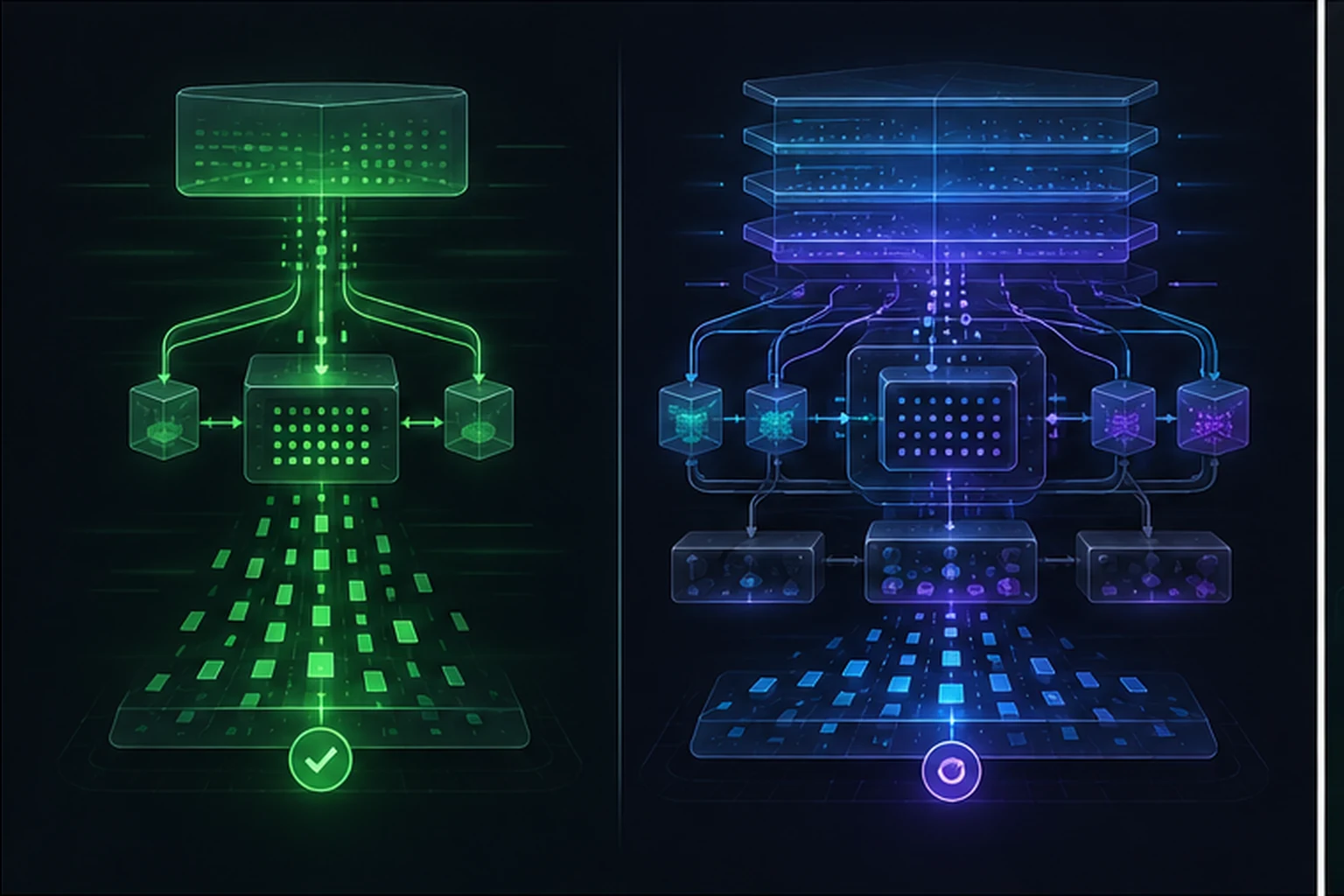
Feedback from the SillyTavern community is encouraging but mixed. Some users report more natural character dialogue, good prompt following, stronger handling of NPCs, and appealing prose. Others report verbosity, repeated phrasing, positivity bias, character omniscience, or results that depend heavily on presets and the API provider.
GLM-5.2 may therefore be worth testing for:
Use Case | Why It May Fit |
|---|---|
Long sessions with many instructions | Large context and long-horizon design help retain more task information |
Multi-character roleplay | Some users report good NPC and character handling |
Lore-heavy conversations | The 1049K context provides room for longer histories and world information |
Structured or planning-heavy scenes | Official documentation emphasizes extended task execution and instruction handling |
Users willing to tune prompts | Community feedback suggests presets and prompt design can noticeably affect results |
DeepSeek-V4-Flash remains the clearer choice when minimizing token cost is the priority. GLM-5.2 is the higher-cost model to test when a session has more complex context or when users want to compare its roleplay style, instruction following, and continuity on their own characters. It should not be assumed to produce better creative writing for every setup.
SiliconFlow Pricing Reference for Long Sessions
For SillyTavern, pricing should be read across three token categories: input, cached input, and output.
Model | Context Length | Input Price | Cached Input Price | Output Price |
|---|---|---|---|---|
DeepSeek-V4-Flash | 1049K | $0.13 / 1M tokens | $0.028 / 1M tokens | $0.28 / 1M tokens |
GLM-5.2 | 1049K | $1.302 / 1M tokens | $0.26 / 1M tokens | $4.092 / 1M tokens |
DeepSeek-V4-Flash has a lower price across all three categories in this comparison. That makes it the clearer low-cost choice for long, frequent, budget-sensitive SillyTavern sessions.
GLM-5.2 should be tested when the session involves more complex long-context instructions or when its response style performs better for the user’s specific character setup. Because GLM-5.2 costs more, users should compare its instruction following, continuity, response style, and regeneration frequency with a lower-cost model before using it for long sessions.
The basic cost formula is:
Estimated cost = input tokens × input price + cached input tokens × cached-input price + output tokens × output price
Context length is capacity, not a fixed charge. A 1049K context model does not automatically bill 1049K tokens per request. Cost depends on how many tokens are actually included in the request and generated in the response.
Cost Examples for Short, Medium, and Long Sessions
The following examples are simple estimates. They do not include cached-input savings, failed retries, regeneration behavior, embeddings, RAG costs, or custom settings. They are designed to show how session length changes cost.
Session Type | Example Usage | DeepSeek-V4-Flash Estimated Cost | GLM-5.2 Estimated Cost |
|---|---|---|---|
Short session | 20 replies, 8K input + 800 output tokens per reply | About $0.03 | About $0.27 |
Medium session | 80 replies, 32K input + 900 output tokens per reply | About $0.35 | About $3.63 |
Long session | 200 replies, 100K input + 1K output tokens per reply | About $2.66 | About $26.86 |
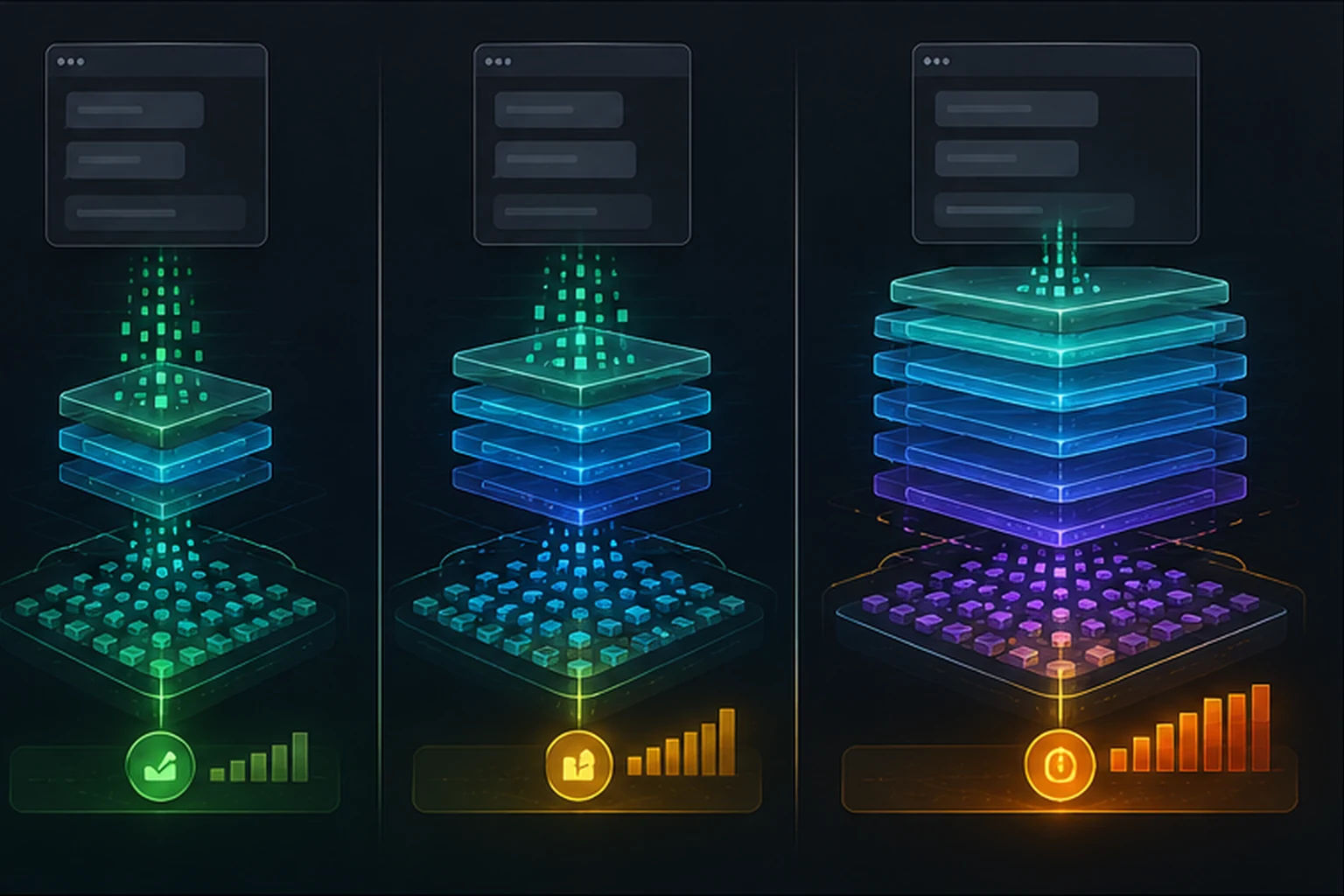
These examples show why long-session cost can rise quickly. A single request may be small, but hundreds of requests with repeated context can add up.
They also show why DeepSeek-V4-Flash is a strong low-cost model for SillyTavern. When a session repeats large prompts many times, low input pricing can make a major difference. Low output pricing also helps when character replies are long.
GLM-5.2 remains valuable for higher-complexity sessions, but it should be used intentionally. For many users, the most efficient setup is not one model for every chat. It is a model strategy: low-cost models for daily sessions and alternative long-context models for scenes that need more complex instruction handling.
Build a Lower-Cost SillyTavern Setup With SiliconFlow
A lower-cost SillyTavern setup starts with the right model strategy. Use DeepSeek-V4-Flash for frequent long chats and cost-sensitive roleplay. Test GLM-5.2 when a session carries more complex instructions, multiple characters, or extensive world information. Keep character cards focused, control lorebook triggers, and compare models by full-session cost instead of one-message pricing. With SiliconFlow, developers can test both models through one API workflow and find the best balance of cost, context, and quality.
FAQs
Q1. What Is the Best Cheap API for SillyTavern?
DeepSeek-V4-Flash is a strong low-cost starting point for many SillyTavern users. It combines low input pricing, low cached-input pricing, low output pricing, and a 1049K context length. This makes it especially useful for long character chats, frequent roleplay, and character-card testing.
Q2. Is GLM-5.2 Better Than DeepSeek-V4-Flash for SillyTavern?
It depends on the session. DeepSeek-V4-Flash is the better low-cost choice. GLM-5.2 costs more but may be worth testing for sessions with complex instructions, multiple characters, or extensive context. Community feedback on its roleplay performance is mixed, so users should compare it with DeepSeek-V4-Flash using the same character card, preset, and scene.
Q3. Does a 1049K Context Window Mean Every Request Uses 1049K Tokens?
No. Context length is the maximum capacity. A request only uses the tokens actually included in the prompt and generated in the response. A 1049K context window gives long sessions more room, but the final cost still depends on real token usage.
Q4. How Can I Lower SillyTavern API Cost?
Reduce repeated prompt weight first. Shorten oversized character cards, limit unnecessary lorebook triggers, control chat-history depth, and set a reasonable response length. Then match the model to the session. DeepSeek-V4-Flash is a strong low-cost option for daily use, while GLM-5.2 fits more complex sessions.
Q5. Should I Use One Model for Every SillyTavern Session?
Not always. A better strategy is to match the model to the session. Use DeepSeek-V4-Flash for regular long chats and cost-sensitive roleplay. Test GLM-5.2 when the scene includes complex instructions, multiple characters, or extensive world information, and compare its results with DeepSeek-V4-Flash using the same setup.